Overview
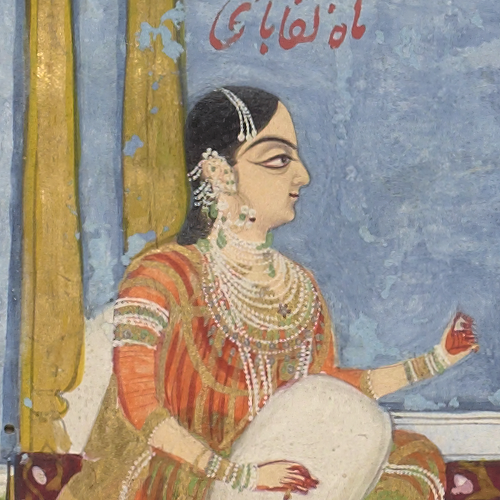
Biographical Context
Mah Laqa Bai Chanda (c. 1768–1820) was an elite courtier, poet, and diplomat associated with the Asaf Jahi state in Hyderabad. As one of the first female poets to compile a complete, formalized diwan (collected corpus) in Urdu, her work marks a critical point in the history of female authorship within the South Asian literary tradition. Beyond her literary output, she was trained in Hindustani classical music within the lineage of Tansen and maintained significant political influence within the durbar of Nizam Ali Khan. Her life and work reflect the complex cultural and political synthesis of the late 18th-century Deccan.
Read full biography →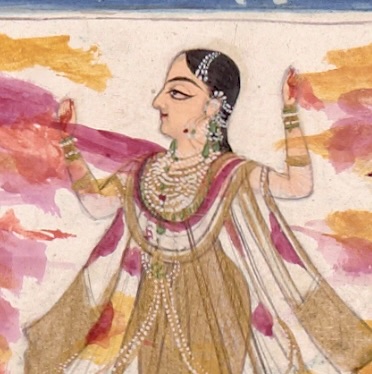
Project Scope & Objectives
For over a century, modern scholarship has operated under the assumption that Mah Laqa Bai Chanda systematically revised her poetry over time to replace regional Deccani idioms with northern Urdu standards. This repository serves as an empirical framework to isolate the extensive linguistic alterations introduced into the corpus after the author's lifetime. By aligning the unedited manuscript layers, the dataset exposes how late print editors systematically modified regional grammatical structures, thereby providing the data required to recover Mah Laqa Bai Chanda's authentic 18th-century diction.
Due to institutional repository restrictions, direct reproduction of the physical manuscript folios is prohibited. Consequently, this platform serves to democratize access to the primary source data by providing the complete, unedited collation sheet used to generate the critical text for the forthcoming printed edition. This site does not host a reconstructed critical text, nor does it apply editorial emendations or conjectures; instead, it presents the raw text as it exists within each individual witness to allow independent researchers to replicate our computational and statistical findings.
View the computational findings →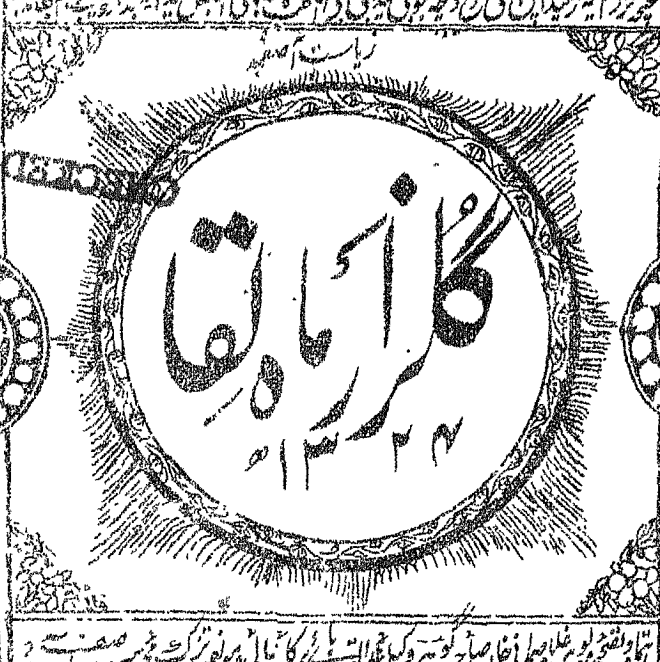
Textual Sources
The dataset comprises the unedited transcription layers of three primary manuscript witnesses—the British Library presentation copy (1799), the Telangana State Oriental Manuscripts Library copy (1811), and the Salar Jung Museum copy (1818)—juxtaposed alongside the 1906 lithographic print tradition. This open-access collation permits the exact tracing of textual layers and regional dialect variants across witnesses.
Explore the codicological survey →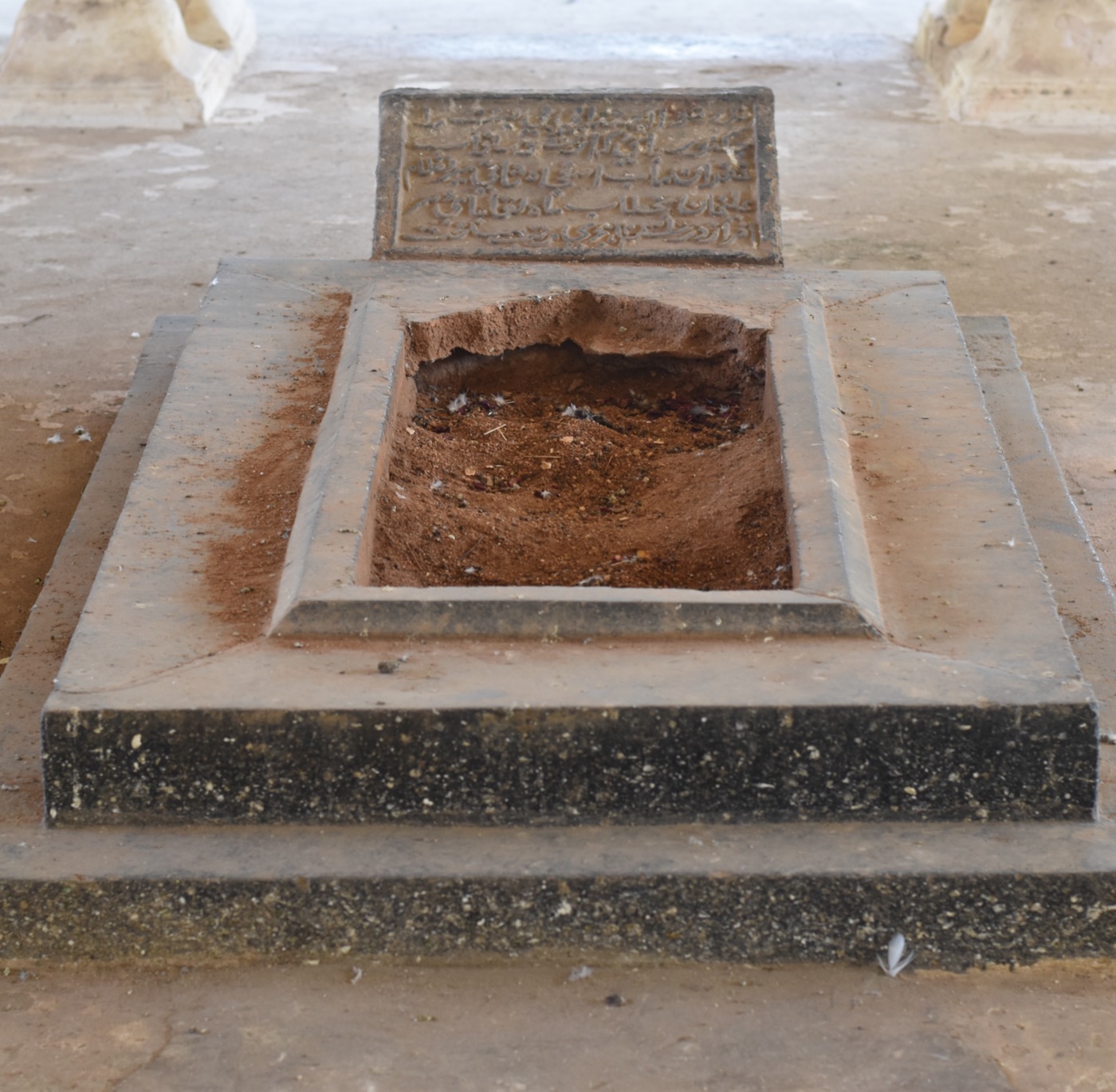
Visual & Epigraphic Archive
A curated collection of primary visual sources contextualizing the textual data within the material landscape of 18th and 19th-century Hyderabad. This repository features high-resolution miniature paintings, contemporary architectural monuments, and recently documented Persian inscriptions detailing the civic and religious patronage of Mah Laqa Bai and her mentor, Khushhal Khan.
Browse the visual archive →